Vinyl Record Terminology and Jargon Explained
-

Cover / jacket
Card/paper ‘envelope’ that has the front, back, and spine, and the iconic vinyl 12”x12” artwork.
-
Gatefold
‘outer-sleeve' that opens up like a large card. Often used for double-disc releases, or single discs with extra artwork/booklets on the other side.
-
Inner / Dust sleeve
Thin protector that the vinyl record is stored in, then slid inside the cover. Cheap ones are paper, replace those with plastic/rice paper ASAP. Called ‘inner sleeve’ and ‘dust sleeve’
-
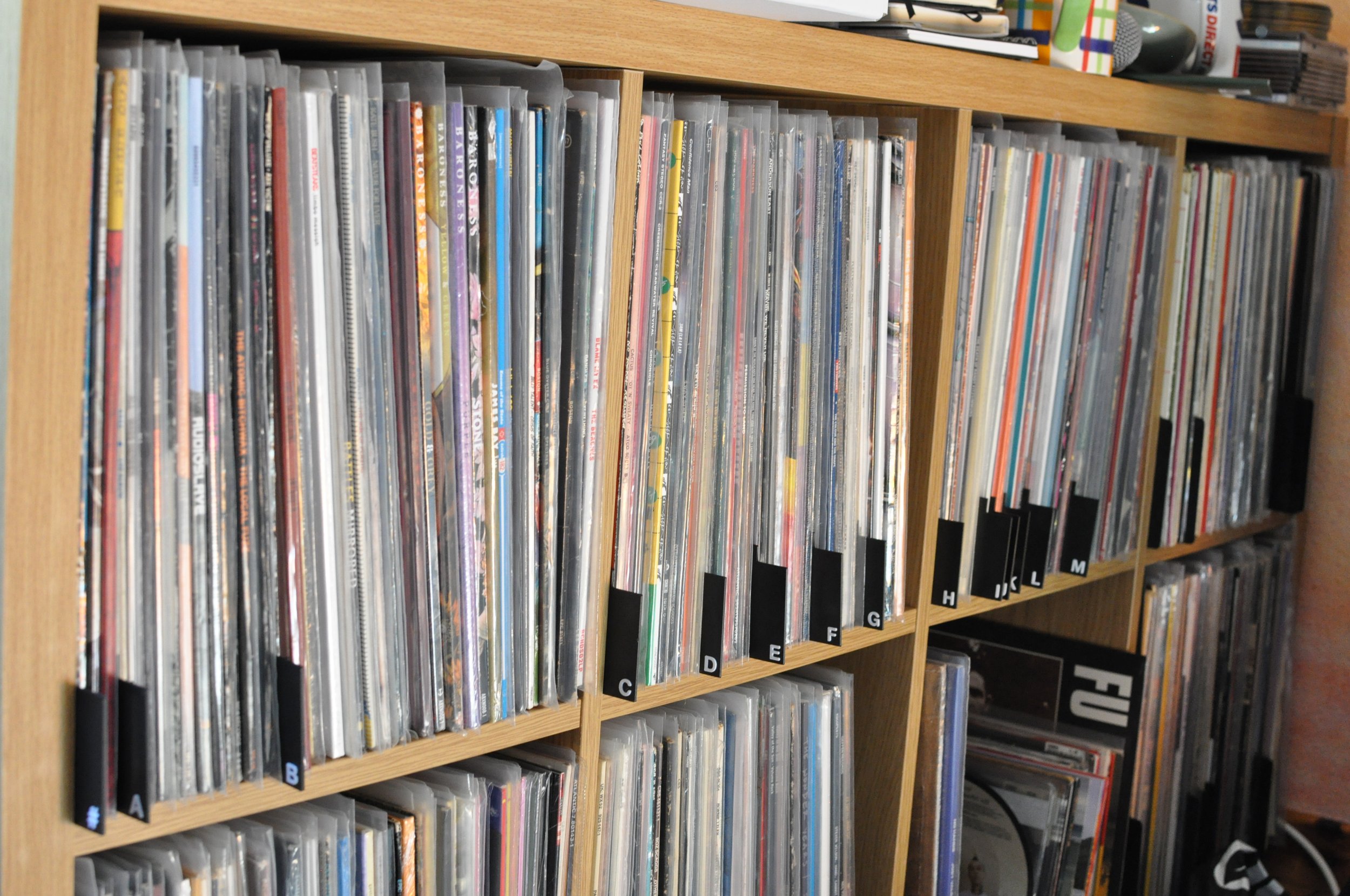
Outer Sleeve
Thicker clear plastic external protection for the cover/jacket. Only downside is that they take up more room when you have them on 100s of albums.
-
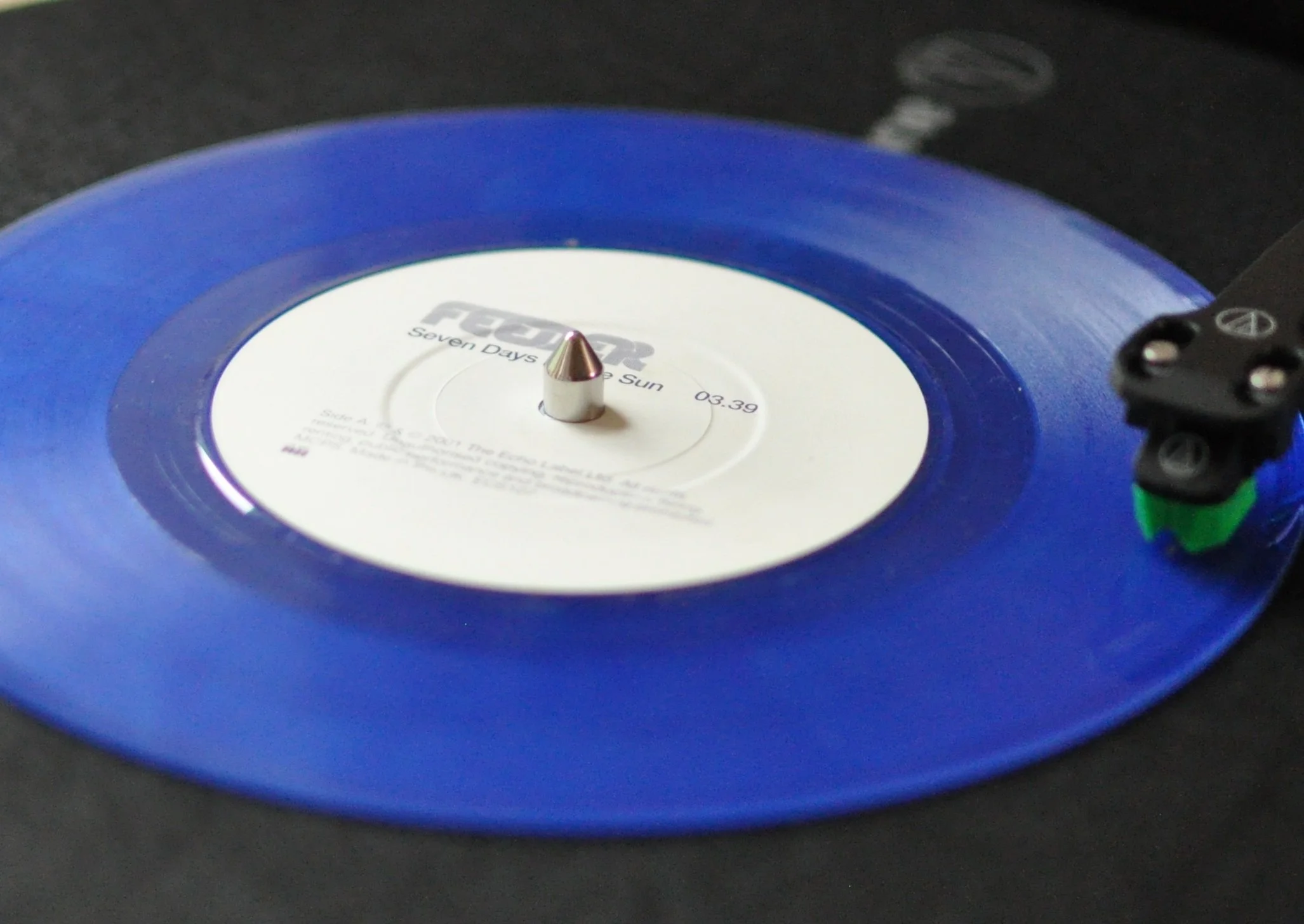
Plate Hole
Small small gap in the center of a record that the spindle goes through, holding the record in place while it's played. It's rare, records where the hole is not centered sound terrible!
-
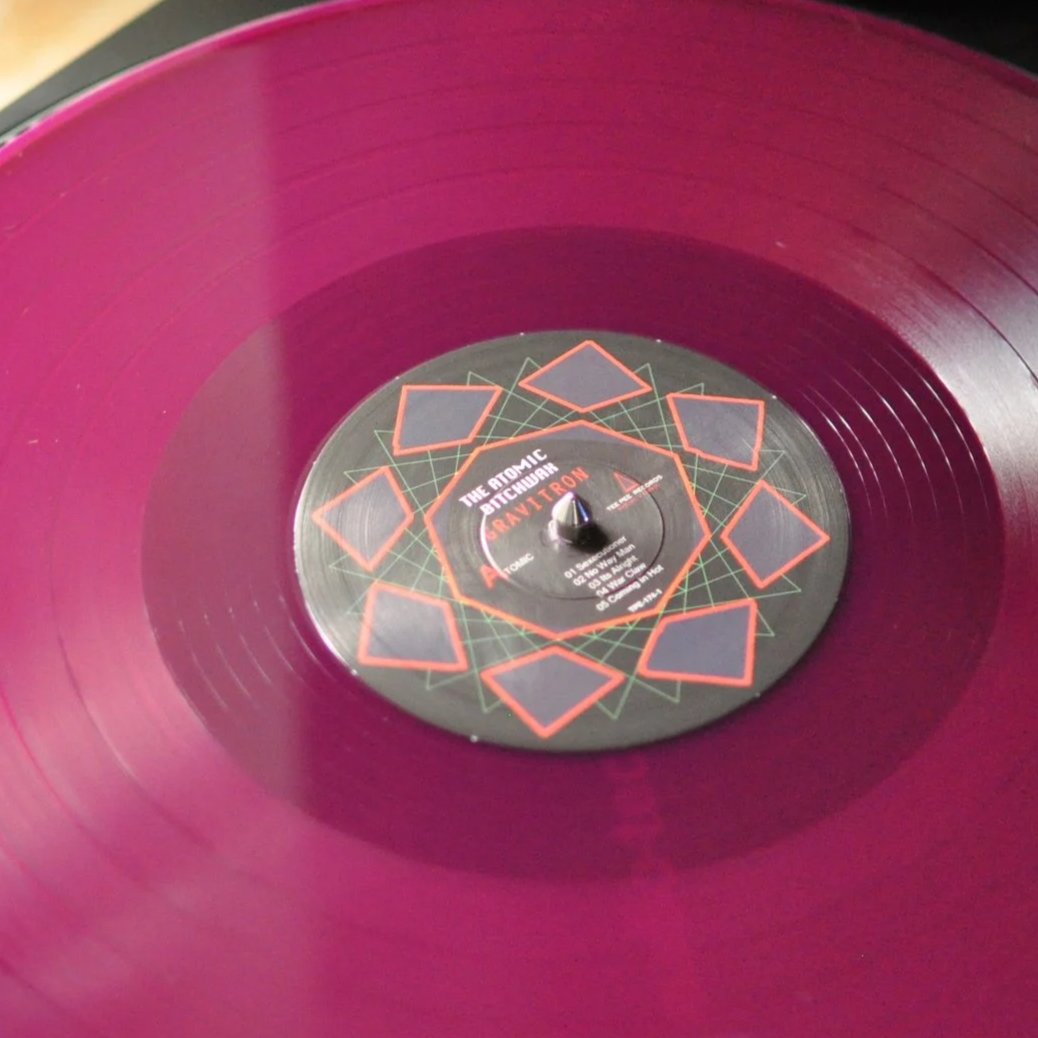
Dead Wax / 'Runout'
Area between the 'end' of the audio groove and the paper label. Aim is to bring the needle into the center quickly
-
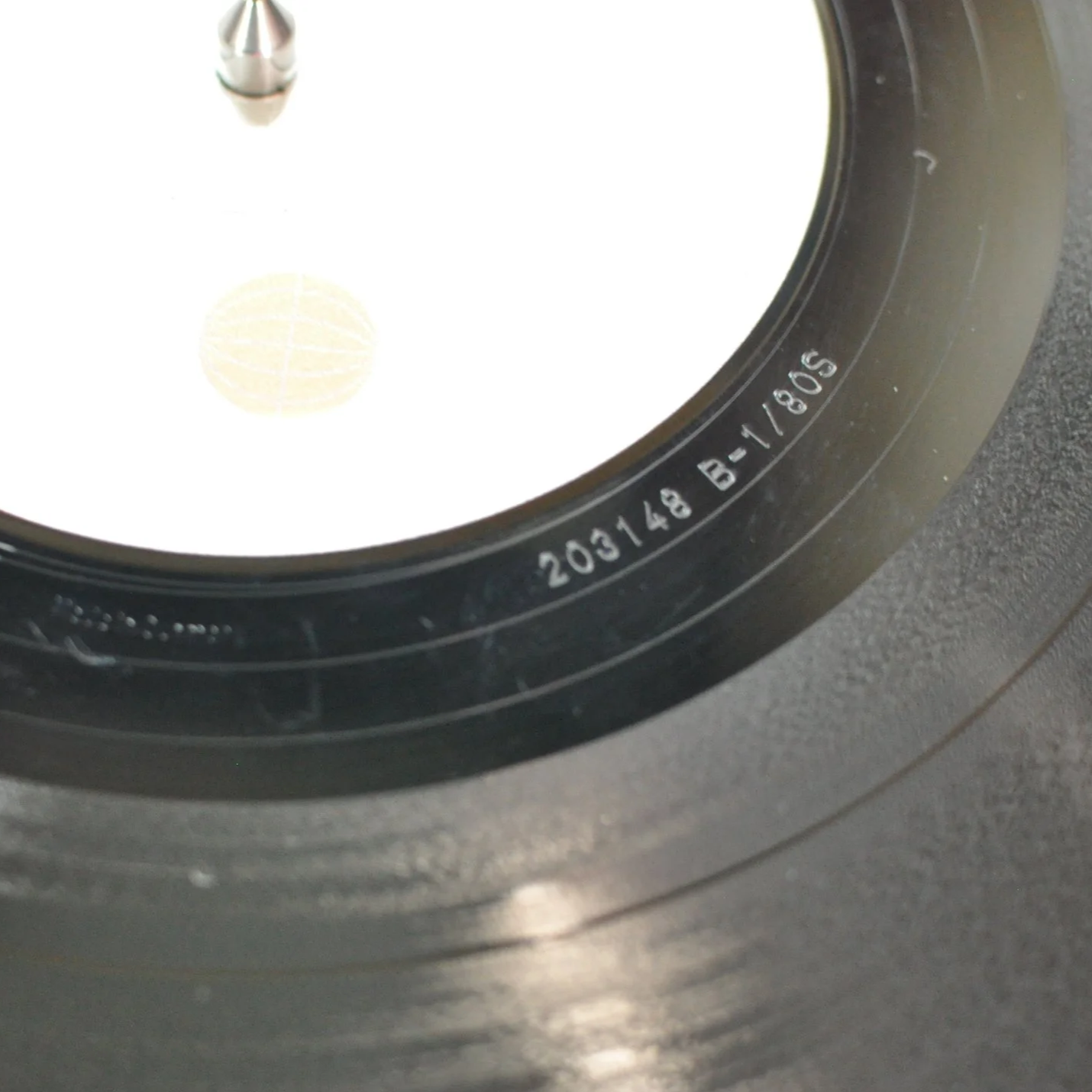
Matrix Numbers
Additional information like the origin / plant where the record was pressed & other specific identifying information
-
Adapter
A small disc used to center older 'jukebox' style 7” singles with much bigger holes than the modern plate holes.
-
Etchings
other non-audio information, can be pressed into the plastic - hidden messages, signatures, engineer initials etc.
-
Locked groove
A rare feature where the final part of the groove becomes a circle, repeating the same tone or small part over and over
-
Mono
A record with one single audio channel - centered - playing the exact same sound on both your left and right speakers. The groove on a mono record is symmetrical.
-
Stereo
a record with two audio channels - split between Left and Right - playing separate tracks on each speaker. These grooves are not symmetrical, and the left & right side of your needle reads a different signal.
-
A, B, C, D, E, F...
the 'sides' and which order to play them. Usually shown on the label, or at minimum, on one of the sides. Sides are always paired A-B, C-D, E-F....
-

Label
Circular paper label. May contain track listings, pressing info, which side is side A and B. Catalogue Number. May just be a cool design or pretty picture!
-
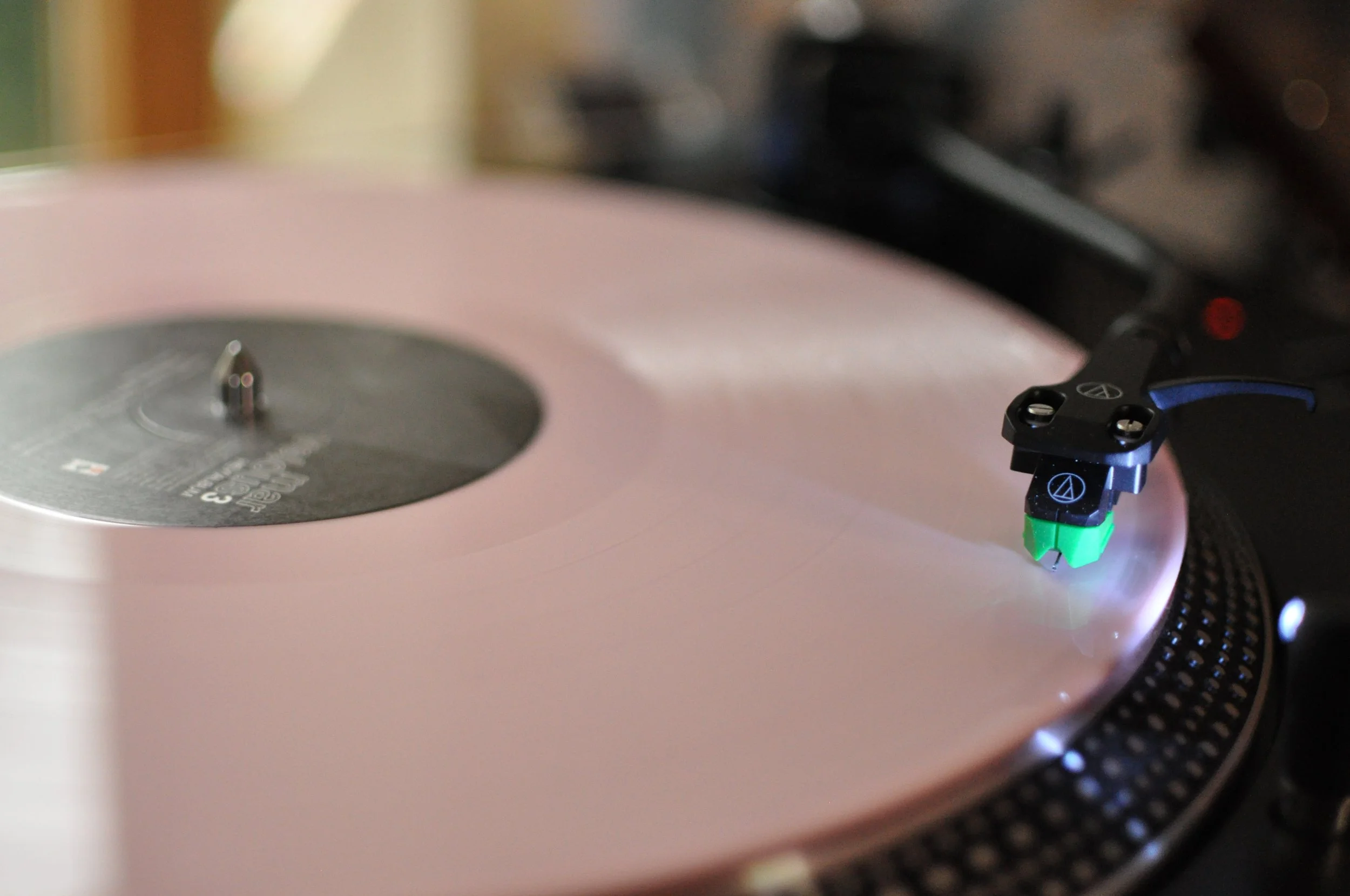
Lead-in
The outer edge of a record usually has a non-audio groove to catch the needle so it's settled in the groove and ready for the start of the first track.
-
180g / 200g
Record weight and a marketing gimmick! The idea is that heavier records sound better… I have rubbish 180g pressings and some great ‘thin / standard’ records, so take this claim with a pinch of salt.
-
Album
The term “album” comes from the time where plastic vinyl records superseded shellac discs. The old discs were stored in photo-album type booklets - one of vinyl’s first marketing terms was that the new discs could store an “album’s worth” of shellac singles.
-
Noise Floor
the baseline level of unwanted noise before or between tracks. Unwanted noise can come from any part of your HiFi system (buzz, hiss, static), but records in particular can have their own version - a loud scraping/rumbling sound that sits 'underneath' the rest of the sound
-
Etched Disc / Side
A record with no audio, but etched artwork or designs pressed into an unused side.